AI for Business

Explore the best AI for Business — independent reviews, comparisons, pricing and step-by-step how-to guides, curated by Aizhi.

  • ImageMixer

    ImageMixer

    ImageMixer is a brand name of video editing software that edits digital video and still image in camcorders and authors to VCD and DVD. It is a second-party Japanese product, distributed by Pixela Corporation, a Japanese manufacturer of PC peripheral hardware and multimedia software. == Bundling == ImageMixer is widely used for several camcorder brands, such as JVC, Hitachi and Canon. Also, Sony has chosen to package ImageMixer with its DVD and HDD Handycam. == ImageMixer series == ImageMixer has other series of software for digital camera, such as ImageMixer Label Maker and ImageMixer DVD dubbing. ImageMixer also has movie editing solution for Macintosh. == Windows Vista version of ImageMixer == A Windows Vista version of ImageMixer has been developed (ImageMixer3).

    Read more →
  • Globetrooper

    Globetrooper

    Globetrooper is a free travel app known for assisting travelers in finding partners for group trips and world adventures. Globetrooper offers a free social travel platform that helps people find travel partners. == History == Globetrooper was developed and released in 2010 by a couple; Todd Sullivan and Lauren McLeod who are two travel-minded individuals that wanted to make it easier for travelers to plan a journey and see the world. With their backgrounds in business, software & design, and a love for travel, both left the corporate world and launched Globetrooper on Lauren’s birthday 28 March 2010. Globetrooper was first launched as an information portal with a view to making it more social, but after some months, the content quickly grew and changed to the ‘travel partner’ concept.

    Read more →
  • Automated essay scoring

    Automated essay scoring

    Automated essay scoring (AES) is the use of specialized computer programs to assign grades to essays written in an educational setting. It is a form of educational assessment and an application of natural language processing. Its objective is to classify a large set of textual entities into a small number of discrete categories, corresponding to the possible grades, for example, the numbers 1 to 6. Therefore, it can be considered a problem of statistical classification. Several factors have contributed to a growing interest in AES. Among them are cost, accountability, standards, and technology. Rising education costs have led to pressure to hold the educational system accountable for results by imposing standards. The advance of information technology promises to measure educational achievement at reduced cost. The use of AES for high-stakes testing in education has generated significant backlash, with opponents pointing to research that computers cannot yet grade writing accurately and arguing that their use for such purposes promotes teaching writing in reductive ways (i.e. teaching to the test). == History == Most historical summaries of AES trace the origins of the field to the work of Ellis Batten Page. In 1966, he argued for the possibility of scoring essays by computer, and in 1968 he published his successful work with a program called Project Essay Grade (PEG). Using the technology of that time, computerized essay scoring would not have been cost-effective, so Page abated his efforts for about two decades. Eventually, Page sold PEG to Measurement Incorporated. By 1990, desktop computers had become so powerful and so widespread that AES was a practical possibility. As early as 1982, a UNIX program called Writer's Workbench was able to offer punctuation, spelling and grammar advice. In collaboration with several companies (notably Educational Testing Service), Page updated PEG and ran some successful trials in the early 1990s. Peter Foltz and Thomas Landauer developed a system using a scoring engine called the Intelligent Essay Assessor (IEA). IEA was first used to score essays in 1997 for their undergraduate courses. It is now a product from Pearson Educational Technologies and used for scoring within a number of commercial products and state and national exams. IntelliMetric is Vantage Learning's AES engine. Its development began in 1996. It was first used commercially to score essays in 1998. Educational Testing Service offers "e-rater", an automated essay scoring program. It was first used commercially in February 1999. Jill Burstein was the team leader in its development. ETS's Criterion Online Writing Evaluation Service uses the e-rater engine to provide both scores and targeted feedback. Lawrence Rudner has done some work with Bayesian scoring, and developed a system called BETSY (Bayesian Essay Test Scoring sYstem). Some of his results have been published in print or online, but no commercial system incorporates BETSY as yet. Under the leadership of Howard Mitzel and Sue Lottridge, Pacific Metrics developed a constructed response automated scoring engine, CRASE. Currently utilized by several state departments of education and in a U.S. Department of Education-funded Enhanced Assessment Grant, Pacific Metrics’ technology has been used in large-scale formative and summative assessment environments since 2007. Measurement Inc. acquired the rights to PEG in 2002 and has continued to develop it. In 2012, the Hewlett Foundation sponsored a competition on Kaggle called the Automated Student Assessment Prize (ASAP). 201 challenge participants attempted to predict, using AES, the scores that human raters would give to thousands of essays written to eight different prompts. The intent was to demonstrate that AES can be as reliable as human raters, or more so. The competition also hosted a separate demonstration among nine AES vendors on a subset of the ASAP data. Although the investigators reported that the automated essay scoring was as reliable as human scoring, this claim was not substantiated by any statistical tests because some of the vendors required that no such tests be performed as a precondition for their participation. Moreover, the claim that the Hewlett Study demonstrated that AES can be as reliable as human raters has since been strongly contested, including by Randy E. Bennett, the Norman O. Frederiksen Chair in Assessment Innovation at the Educational Testing Service. Some of the major criticisms of the study have been that five of the eight datasets consisted of paragraphs rather than essays, four of the eight data sets were graded by human readers for content only rather than for writing ability, and that rather than measuring human readers and the AES machines against the "true score", the average of the two readers' scores, the study employed an artificial construct, the "resolved score", which in four datasets consisted of the higher of the two human scores if there was a disagreement. This last practice, in particular, gave the machines an unfair advantage by allowing them to round up for these datasets. In 1966, Page hypothesized that, in the future, the computer-based judge will be better correlated with each human judge than the other human judges are. Despite criticizing the applicability of this approach to essay marking in general, this hypothesis was supported for marking free text answers to short questions, such as those typical of the British GCSE system. Results of supervised learning demonstrate that the automatic systems perform well when marking by different human teachers is in good agreement. Unsupervised clustering of answers showed that excellent papers and weak papers formed well-defined clusters, and the automated marking rule for these clusters worked well, whereas marks given by human teachers for the third cluster ('mixed') can be controversial, and the reliability of any assessment of works from the 'mixed' cluster can often be questioned (both human and computer-based). == Different dimensions of essay quality == According to a recent survey, modern AES systems try to score different dimensions of an essay's quality in order to provide feedback to users. These dimensions include the following items: Grammaticality: following grammar rules Usage: using of prepositions, word usage Mechanics: following rules for spelling, punctuation, capitalization Style: word choice, sentence structure variety Relevance: how relevant of the content to the prompt Organization: how well the essay is structured Development: development of ideas with examples Cohesion: appropriate use of transition phrases Coherence: appropriate transitions between ideas Thesis Clarity: clarity of the thesis Persuasiveness: convincingness of the major argument == Procedure == From the beginning, the basic procedure for AES has been to start with a training set of essays that have been carefully hand-scored. The program evaluates surface features of the text of each essay, such as the total number of words, the number of subordinate clauses, or the ratio of uppercase to lowercase letters—quantities that can be measured without any human insight. It then constructs a mathematical model that relates these quantities to the scores that the essays received. The same model is then applied to calculate scores of new essays. Recently, one such mathematical model was created by Isaac Persing and Vincent Ng. which not only evaluates essays on the above features, but also on their argument strength. It evaluates various features of the essay, such as the agreement level of the author and reasons for the same, adherence to the prompt's topic, locations of argument components (major claim, claim, premise), errors in the arguments, cohesion in the arguments among various other features. In contrast to the other models mentioned above, this model is closer in duplicating human insight while grading essays. Due to the growing popularity of deep neural networks, deep learning approaches have been adopted for automated essay scoring, generally obtaining superior results, often surpassing inter-human agreement levels. The various AES programs differ in what specific surface features they measure, how many essays are required in the training set, and most significantly in the mathematical modeling technique. Early attempts used linear regression. Modern systems may use linear regression or other machine learning techniques often in combination with other statistical techniques such as latent semantic analysis and Bayesian inference. The automated essay scoring task has also been studied in the cross-domain setting using machine learning models, where the models are trained on essays written for one prompt (topic) and tested on essays written for another prompt. Successful approaches in the cross-domain scenario are based on deep neural networks or models that combine deep and shallow features. == Criteria for success == Any method of a

    Read more →
  • Outline of natural language processing

    Outline of natural language processing

    Natural language processing is computer activity in which computers are entailed to analyze, understand, alter, or generate natural language. This includes the automation of any or all linguistic forms, activities, or methods of communication, such as conversation, correspondence, reading, written composition, dictation, publishing, translation, lip reading, and so on. Natural-language processing is also the name of the branch of computer science, artificial intelligence, and linguistics concerned with enabling computers to engage in communication using natural language(s) in all forms, including but not limited to speech, print, writing, and signing. The following outline is provided as an overview of and topical guide to natural-language processing: == Natural-language processing == Natural-language processing can be described as all of the following: A field of science – systematic enterprise that builds and organizes knowledge in the form of testable explanations and predictions about the universe. An applied science – field that applies human knowledge to build or design useful things. A field of computer science – scientific and practical approach to computation and its applications. A branch of artificial intelligence – intelligence of machines and robots and the branch of computer science that aims to create it. A subfield of computational linguistics – interdisciplinary field dealing with the statistical or rule-based modeling of natural language from a computational perspective. An application of engineering – science, skill, and profession of acquiring and applying scientific, economic, social, and practical knowledge, in order to design and also build structures, machines, devices, systems, materials and processes. An application of software engineering – application of a systematic, disciplined, quantifiable approach to the design, development, operation, and maintenance of software, and the study of these approaches; that is, the application of engineering to software. A subfield of computer programming – process of designing, writing, testing, debugging, and maintaining the source code of computer programs. This source code is written in one or more programming languages (such as Java, C++, C#, Python, etc.). The purpose of programming is to create a set of instructions that computers use to perform specific operations or to exhibit desired behaviors. A subfield of artificial intelligence programming – A type of system – set of interacting or interdependent components forming an integrated whole or a set of elements (often called 'components' ) and relationships which are different from relationships of the set or its elements to other elements or sets. A system that includes software – software is a collection of computer programs and related data that provides the instructions for telling a computer what to do and how to do it. Software refers to one or more computer programs and data held in the storage of the computer. In other words, software is a set of programs, procedures, algorithms and its documentation concerned with the operation of a data processing system. A type of technology – making, modification, usage, and knowledge of tools, machines, techniques, crafts, systems, methods of organization, in order to solve a problem, improve a preexisting solution to a problem, achieve a goal, handle an applied input/output relation or perform a specific function. It can also refer to the collection of such tools, machinery, modifications, arrangements and procedures. Technologies significantly affect human as well as other animal species' ability to control and adapt to their natural environments. A form of computer technology – computers and their application. NLP makes use of computers, image scanners, microphones, and many types of software programs. Language technology – consists of natural-language processing (NLP) and computational linguistics (CL) on the one hand, and speech technology on the other. It also includes many application oriented aspects of these. It is often called human language technology (HLT). == Prerequisite technologies == The following technologies make natural-language processing possible: Communication – the activity of a source sending a message to a receiver Language – Speech – Writing – Computing – Computers – Computer programming – Information extraction – User interface – Software – Text editing – program used to edit plain text files Word processing – piece of software used for composing, editing, formatting, printing documents Input devices – pieces of hardware for sending data to a computer to be processed Computer keyboard – typewriter style input device whose input is converted into various data depending on the circumstances Image scanners – == Subfields of natural-language processing == Information extraction (IE) – field concerned in general with the extraction of semantic information from text. This covers tasks such as named-entity recognition, coreference resolution, relationship extraction, etc. Ontology engineering – field that studies the methods and methodologies for building ontologies, which are formal representations of a set of concepts within a domain and the relationships between those concepts. Speech processing – field that covers speech recognition, text-to-speech and related tasks. Statistical natural-language processing – Statistical semantics – a subfield of computational semantics that establishes semantic relations between words to examine their contexts. Distributional semantics – a subfield of statistical semantics that examines the semantic relationship of words across a corpora or in large samples of data. == Related fields == Natural-language processing contributes to, and makes use of (the theories, tools, and methodologies from), the following fields: Automated reasoning – area of computer science and mathematical logic dedicated to understanding various aspects of reasoning, and producing software which allows computers to reason completely, or nearly completely, automatically. A sub-field of artificial intelligence, automatic reasoning is also grounded in theoretical computer science and philosophy of mind. Linguistics – scientific study of human language. Natural-language processing requires understanding of the structure and application of language, and therefore it draws heavily from linguistics. Applied linguistics – interdisciplinary field of study that identifies, investigates, and offers solutions to language-related real-life problems. Some of the academic fields related to applied linguistics are education, linguistics, psychology, computer science, anthropology, and sociology. Some of the subfields of applied linguistics relevant to natural-language processing are: Bilingualism / Multilingualism – Computer-mediated communication (CMC) – any communicative transaction that occurs through the use of two or more networked computers. Research on CMC focuses largely on the social effects of different computer-supported communication technologies. Many recent studies involve Internet-based social networking supported by social software. Contrastive linguistics – practice-oriented linguistic approach that seeks to describe the differences and similarities between a pair of languages. Conversation analysis (CA) – approach to the study of social interaction, embracing both verbal and non-verbal conduct, in situations of everyday life. Turn-taking is one aspect of language use that is studied by CA. Discourse analysis – various approaches to analyzing written, vocal, or sign language use or any significant semiotic event. Forensic linguistics – application of linguistic knowledge, methods and insights to the forensic context of law, language, crime investigation, trial, and judicial procedure. Interlinguistics – study of improving communications between people of different first languages with the use of ethnic and auxiliary languages (lingua franca). For instance by use of intentional international auxiliary languages, such as Esperanto or Interlingua, or spontaneous interlanguages known as pidgin languages. Language assessment – assessment of first, second or other language in the school, college, or university context; assessment of language use in the workplace; and assessment of language in the immigration, citizenship, and asylum contexts. The assessment may include analyses of listening, speaking, reading, writing or cultural understanding, with respect to understanding how the language works theoretically and the ability to use the language practically. Language pedagogy – science and art of language education, including approaches and methods of language teaching and study. Natural-language processing is used in programs designed to teach language, including first- and second-language training. Language planning – Language policy – Lexicography – Literacies – Pragmatics – Second-language acquisition – Stylistics – Translation – Comp

    Read more →
  • BioBIKE

    BioBIKE

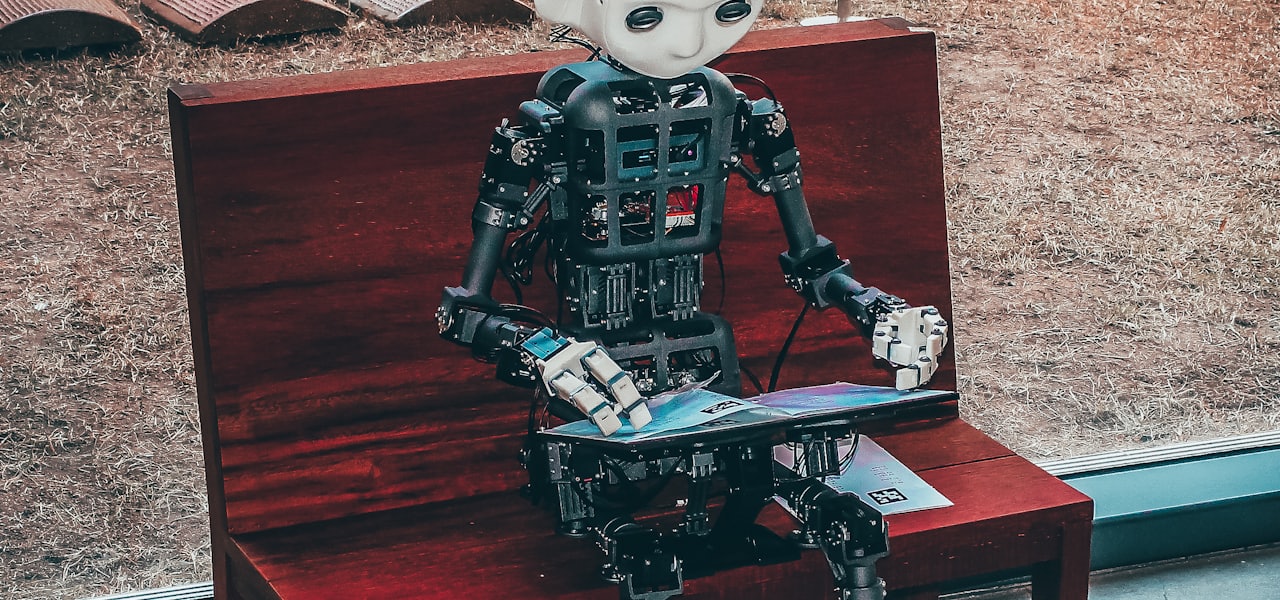
    BioBike(nee. BioLingua ) is a cloud-based, through-the-web programmable (Paas) symbolic biocomputing and bioinformatics platform that aims to make computational biology, and especially intelligent biocomputing (that is, the application of Artificial Intelligence to computational biology) accessible to research scientists who are not expert programmers. == Unique capabilities == BioBIKE is an integrated symbolic biocomputing and bioinformatics platform, built from the start as an entirely (what is now called) cloud-based architecture where all computing is done in remote servers, and all user access is accomplished through web browsers. BioBIKE has a built-in frame system in which all objects, data, and knowledge are represented. This enables code written either in the native Lisp, in the visual programming language, or systems of rules expressed in the SNARK theorem prover to access the whole of biological knowledge in an integrated manner. For its time (released in 2002) it was unique in permitting users to create fully functional biocomputing programs that run on the back-end servers entirely through the web browser UI. (In modern terms it was one of the first PaaS (Platform as a Service) systems, predating even Salesforce in this capability.) Initially this programming was carried out in raw Lisp, but Jeff Elhai's team at VCU, with NSF funding, created an entirely graphical programming environment on top of BioBIKE based upon the Boxer-style programming environments. Being a multi-headed, multi-threaded, multi-user, multi-tenancy cloud-based system, BioBIKE users were able to directly work together through their web browsers, remotely sharing the same listener and memory space. This permitted a unique sort of collaboration, discussed in Shrager (2007). A specialized offshoot of BioBIKE called "BioDeducta" includes SRI's SNARK theorem prover, offering unique "deductive biocomputing" capabilities. == Implementation == BioBIKE is open-source software implemented using the Lisp programming language. Continuing development takes place by the BioBIKE team centered at Virginia Commonwealth University . == History == BioBIKE was originally called "BioLingua", and was developed by Jeff Shrager at The Carnegie Inst. of Washington Dept. of Plant Biology, and JP Massar with funding from NASA's Astrobiology Division. Shrager and Massar wanted to create a web-based, multi-user Lisp Machine, specialized for bioinformatics. Other early contributors to the project included Mike Travers, and Jeff Elhai of VCU. Elhai obtained continuing funding from the National Science Foundation for the project, which was renamed BioBIKE. Elhai and colleagues added BioBIKE's unique visual programming language. Shrager, meanwhile, collaborated with Richard Waldinger at SRI to build SRI's (SNARK) theorem prover into BioBIKE, creating a deductive biocomputing system, called BioDeducta. == Instances == There used to be a number of BioBIKE verticals in different biological domains, including viral pathogens, cyanobacteria and other bacteria, Arabidopsis thaliana, and several others described in the references.

    Read more →
  • Universal portfolio algorithm

    Universal portfolio algorithm

    The universal portfolio algorithm is a portfolio selection algorithm from the field of machine learning and information theory. The algorithm learns adaptively from historical data and maximizes log-optimal growth rate in the long run, per the Kelly criterion. It was introduced by the late Stanford University information theorist Thomas M. Cover. The algorithm rebalances the portfolio at the beginning of each trading period. At the beginning of the first trading period it starts with a naive diversification. In the following trading periods the portfolio composition depends on the historical total return of all possible constant-rebalanced portfolios. The universal portfolio algorithm is the predecessor of the various online portfolio selection methodologies.

    Read more →
  • Stereo cameras

    Stereo cameras

    The stereo cameras approach is a method of distilling a noisy video signal into a coherent data set that a computer can begin to process into actionable symbolic objects, or abstractions. Stereo cameras is one of many approaches used in the broader fields of computer vision and machine vision. == Calculation == In this approach, two cameras with a known physical relationship (i.e. a common field of view the cameras can see, and how far apart their focal points sit in physical space) are correlated via software. By finding mappings of common pixel values, and calculating how far apart these common areas reside in pixel space, a rough depth map can be created. This is very similar to how the human brain uses stereoscopic information from the eyes to gain depth cue information, i.e. how far apart any given object in the scene is from the viewer. The camera attributes must be known, focal length and distance apart etc., and a calibration done. Once this is completed, the systems can be used to sense the distances of objects by triangulation. Finding the same singular physical point in the two left and right images is known as the correspondence problem. Correctly locating the point gives the computer the capability to calculate the distance that the robot or camera is from the object. On the BH2 Lunar Rover the cameras use five steps: a bayer array filter, photometric consistency dense matching algorithm, a Laplace of Gaussian (LoG) edge detection algorithm, a stereo matching algorithm and finally uniqueness constraint. == Uses == This type of stereoscopic image processing technique is used in applications such as 3D reconstruction, robotic control and sensing, crowd dynamics monitoring and off-planet terrestrial rovers; for example, in mobile robot navigation, tracking, gesture recognition, targeting, 3D surface visualization, immersive and interactive gaming. Although the Xbox Kinect sensor is also able to create a depth map of an image, it uses an infrared camera for this purpose, and does not use the dual-camera technique. Other approaches to stereoscopic sensing include time of flight sensors and ultrasound.

    Read more →
  • WaveNet

    WaveNet

    WaveNet is a deep neural network for generating raw audio. It was created by researchers at London-based AI firm DeepMind. The technique, outlined in a paper in September 2016, is able to generate relatively realistic-sounding human-like voices by directly modelling waveforms using a neural network method trained with recordings of real speech. Tests with US English and Mandarin reportedly showed that the system outperforms Google's best existing text-to-speech (TTS) systems, although as of 2016 its text-to-speech synthesis still was less convincing than actual human speech. WaveNet's ability to generate raw waveforms means that it can model any kind of audio, including music. == History == Generating speech from text is an increasingly common task thanks to the popularity of software such as Apple's Siri, Microsoft's Cortana, Amazon Alexa and the Google Assistant. Most such systems use a variation of a technique that involves concatenated sound fragments together to form recognisable sounds and words. The most common of these is called concatenative TTS. It consists of large library of speech fragments, recorded from a single speaker that are then concatenated to produce complete words and sounds. The result sounds unnatural, with an odd cadence and tone. The reliance on a recorded library also makes it difficult to modify or change the voice. Another technique, known as parametric TTS, uses mathematical models to recreate sounds that are then assembled into words and sentences. The information required to generate the sounds is stored in the parameters of the model. The characteristics of the output speech are controlled via the inputs to the model, while the speech is typically created using a voice synthesiser known as a vocoder. This can also result in unnatural sounding audio. == Design and ongoing research == === Background === WaveNet is a type of feedforward neural network known as a deep convolutional neural network (CNN). In WaveNet, the CNN takes a raw signal as an input and synthesises an output one sample at a time. It does so by sampling from a softmax (i.e. categorical) distribution of a signal value that is encoded using μ-law companding transformation and quantized to 256 possible values. === Initial concept and results === According to the original September 2016 DeepMind research paper WaveNet: A Generative Model for Raw Audio, the network was fed real waveforms of speech in English and Mandarin. As these pass through the network, it learns a set of rules to describe how the audio waveform evolves over time. The trained network can then be used to create new speech-like waveforms at 16,000 samples per second. These waveforms include realistic breaths and lip smacks – but do not conform to any language. WaveNet is able to accurately model different voices, with the accent and tone of the input correlating with the output. For example, if it is trained with German, it produces German speech. The capability also means that if the WaveNet is fed other inputs – such as music – its output will be musical. At the time of its release, DeepMind showed that WaveNet could produce waveforms that sound like classical music. === Content (voice) swapping === According to the June 2018 paper Disentangled Sequential Autoencoder, DeepMind has successfully used WaveNet for audio and voice "content swapping": the network can swap the voice on an audio recording for another, pre-existing voice while maintaining the text and other features from the original recording. "We also experiment on audio sequence data. Our disentangled representation allows us to convert speaker identities into each other while conditioning on the content of the speech." (p. 5) "For audio, this allows us to convert a male speaker into a female speaker and vice versa [...]." (p. 1) According to the paper, a two-digit minimum amount of hours (c. 50 hours) of pre-existing speech recordings of both source and target voice are required to be fed into WaveNet for the program to learn their individual features before it is able to perform the conversion from one voice to another at a satisfying quality. The authors stress that "[a]n advantage of the model is that it separates dynamical from static features [...]." (p. 8), i. e. WaveNet is capable of distinguishing between the spoken text and modes of delivery (modulation, speed, pitch, mood, etc.) to maintain during the conversion from one voice to another on the one hand, and the basic features of both source and target voices that it is required to swap on the other. The January 2019 follow-up paper Unsupervised speech representation learning using WaveNet autoencoders details a method to successfully enhance the proper automatic recognition and discrimination between dynamical and static features for "content swapping", notably including swapping voices on existing audio recordings, in order to make it more reliable. Another follow-up paper, Sample Efficient Adaptive Text-to-Speech, dated September 2018 (latest revision January 2019), states that DeepMind has successfully reduced the minimum amount of real-life recordings required to sample an existing voice via WaveNet to "merely a few minutes of audio data" while maintaining high-quality results. Its ability to clone voices has raised ethical concerns about WaveNet's ability to mimic the voices of living and dead persons. According to a 2016 BBC article, companies working on similar voice-cloning technologies (such as Adobe Voco) intend to insert watermarking inaudible to humans to prevent counterfeiting, while maintaining that voice cloning satisfying, for instance, the needs of entertainment-industry purposes would be of a far lower complexity and use different methods than required to fool forensic evidencing methods and electronic ID devices, so that natural voices and voices cloned for entertainment-industry purposes could still be easily told apart by technological analysis. == Applications == At the time of its release, DeepMind said that WaveNet required too much computational processing power to be used in real world applications. As of October 2017, Google announced a 1,000-fold performance improvement along with better voice quality. WaveNet was then used to generate Google Assistant voices for US English and Japanese across all Google platforms. In November 2017, DeepMind researchers released a research paper detailing a proposed method of "generating high-fidelity speech samples at more than 20 times faster than real-time", called "Probability Density Distillation". At the annual I/O developer conference in May 2018, it was announced that new Google Assistant voices were available and made possible by WaveNet; WaveNet greatly reduced the number of audio recordings that were required to create a voice model by modeling the raw audio of the voice actor samples.

    Read more →
  • Soterml

    Soterml

    SoTerML (Soil and Terrain Markup Language) is a XML-based markup language for storing and exchanging soil and terrain related data. SoTerML development is being done within The e-SoTer Platform. GEOSS plans a global Earth Observation System and, within this framework, the e-SOTER project addresses the felt need for a global soil and terrain database. The Centre for Geospatial Science (Currently Nottingham Geospatial Institute) at the University of Nottingham has initiated the development since January 2009. Further development and maintenance is currently handled in National Soil Resources Institute (NSRI) at Cranfield University, UK. The role of CGS is within the development of the e-SOTER dissemination platform, which is based on INSPIRE principles. The SoTerML development included: 1. Development of a data dictionary for nomenclatures and various data sources (data and metadata). 2. Development of an exchange format/procedures from the World Reference Base 2006.

    Read more →
  • Text-to-video model

    Text-to-video model

    A text-to-video model is a form of generative artificial intelligence that uses a natural language description as input to produce a video relevant to the input text. Advancements during the 2020s in the generation of high-quality, text-conditioned videos have largely been driven by the development of video diffusion models. == Models == There are different models, including open source models. Chinese-language input CogVideo is the earliest text-to-video model "of 9.4 billion parameters" to be developed, with its demo version of open source codes first presented on GitHub in 2022. That year, Meta Platforms released a partial text-to-video model called "Make-A-Video", and Google's Brain (later Google DeepMind) introduced Imagen Video, a text-to-video model with 3D U-Net. === 2023 === In February 2023, Runway released Gen-1 and Gen-2, among the first commercially available text-to-video and video-to-video models accessible to the public through a web interface. Gen-1, initially released as a video-to-video model, allowed users to transform existing video footage using text or image prompts. Gen-2, introduced in March 2023 and made publicly available in June 2023, added text-to-video capabilities, enabling users to generate videos from text prompts alone. In March 2023, a research paper titled "VideoFusion: Decomposed Diffusion Models for High-Quality Video Generation" was published, presenting a novel approach to video generation. The VideoFusion model decomposes the diffusion process into two components: base noise and residual noise, which are shared across frames to ensure temporal coherence. By utilizing a pre-trained image diffusion model as a base generator, the model efficiently generated high-quality and coherent videos. Fine-tuning the pre-trained model on video data addressed the domain gap between image and video data, enhancing the model's ability to produce realistic and consistent video sequences. In the same month, Adobe introduced Firefly AI as part of its features. === 2024 === In January 2024, Google announced development of a text-to-video model named Lumiere which is anticipated to integrate advanced video editing capabilities. Matthias Niessner and Lourdes Agapito at AI company Synthesia work on developing 3D neural rendering techniques that can synthesise realistic video by using 2D and 3D neural representations of shape, appearances, and motion for controllable video synthesis of avatars. In June 2024, Luma Labs launched its Dream Machine video tool. That same month, Kuaishou extended its Kling AI text-to-video model to international users. In July 2024, TikTok owner ByteDance released Jimeng AI in China, through its subsidiary, Faceu Technology. By September 2024, the Chinese AI company MiniMax debuted its video-01 model, joining other established AI model companies like Zhipu AI, Baichuan, and Moonshot AI, which contribute to China's involvement in AI technology. In December 2024 Lightricks launched LTX Video as an open source model. === 2025 === Alternative approaches to text-to-video models include Google's Phenaki, Hour One, Colossyan, Runway's Gen-3 Alpha, and OpenAI's Sora, Several additional text-to-video models, such as Plug-and-Play, Text2LIVE, and TuneAVideo, have emerged. FLUX.1 developer Black Forest Labs has announced its text-to-video model SOTA. Google was preparing to launch a video generation tool named Veo for YouTube Shorts in 2025. In May 2025, Google launched the Veo 3 iteration of the model. It was noted for its impressive audio generation capabilities, which were a previous limitation for text-to-video models. In July 2025 Lightricks released an update to LTX Video capable of generating clips reaching 60 seconds, and in October 2025 it released LTX-2, with audio capabilities built in. === 2026 === In February 2026, ByteDance released Seedance 2.0, it was noted for its impressive realistic generation, motion and camera control and 15 second generation, however the model faced huge critiscism from Motion Picture Association for copyright infringement. After viewing a viral clip of a fight between actors Brad Pitt and Tom Cruise, Rhett Reese, who is the co-writer of Deadpool & Wolverine and Zombieland announced that on social media "I hate to say it. It’s likely over for us," further stating that "In next to no time, one person is going to be able to sit at a computer and create a movie indistinguishable from what Hollywood now releases." == Architecture and training == There are several architectures that have been used to create text-to-video models. Similar to text-to-image models, these models can be trained using Recurrent Neural Networks (RNNs) such as long short-term memory (LSTM) networks, which has been used for Pixel Transformation Models and Stochastic Video Generation Models, which aid in consistency and realism respectively. An alternative for these include transformer models. Generative adversarial networks (GANs), Variational autoencoders (VAEs), — which can aid in the prediction of human motion — and diffusion models have also been used to develop the image generation aspects of the model. Text-video datasets used to train models include, but are not limited to, WebVid-10M, HDVILA-100M, CCV, ActivityNet, and Panda-70M. These datasets contain millions of original videos of interest, generated videos, captioned-videos, and textual information that help train models for accuracy. Text-video datasets used to train models include, but are not limited to PromptSource, DiffusionDB, and VidProM. These datasets provide the range of text inputs needed to teach models how to interpret a variety of textual prompts. The video generation process involves synchronizing the text inputs with video frames, ensuring alignment and consistency throughout the sequence. This predictive process is subject to decline in quality as the length of the video increases due to resource limitations. The Will Smith Eating Spaghetti test is a benchmark for models. == Limitations == Despite the rapid evolution of text-to-video models in their performance, a primary limitation is that they are very computationally heavy which limits its capacity to provide high quality and lengthy outputs. Additionally, these models require a large amount of specific training data to be able to generate high quality and coherent outputs, which brings about the issue of accessibility. Moreover, models may misinterpret textual prompts, resulting in video outputs that deviate from the intended meaning. This can occur due to limitations in capturing semantic context embedded in text, which affects the model's ability to align generated video with the user's intended message. Various models, including Make-A-Video, Imagen Video, Phenaki, CogVideo, GODIVA, and NUWA, are currently being tested and refined to enhance their alignment capabilities and overall performance in text-to-video generation. Another issue with the outputs is that text or fine details in AI-generated videos often appear garbled, a problem that stable diffusion models also struggle with. Examples include distorted hands and unreadable text. == Ethics == The deployment of text-to-video models raises ethical considerations related to content generation. These models have the potential to create inappropriate or unauthorized content, including explicit material, graphic violence, misinformation, and likenesses of real individuals without consent. Ensuring that AI-generated content complies with established standards for safe and ethical usage is essential, as content generated by these models may not always be easily identified as harmful or misleading. The ability of AI to recognize and filter out NSFW or copyrighted content remains an ongoing challenge, with implications for both creators and audiences. == Impacts and applications == Text-to-video models offer a broad range of applications that may benefit various fields, from educational and promotional to creative industries. These models can streamline content creation for training videos, movie previews, gaming assets, and visualizations, making it easier to generate content. During the Russo-Ukrainian war, fake videos made with artificial intelligence were created as part of a propaganda war against Ukraine and shared in social media. These included depictions of children in the Ukrainian Armed Forces, fake ads targeting children encouraging them to denounce critics of the Ukrainian government, or fictitious statements by Ukrainian President Volodymyr Zelenskyy about the country's surrender, among others. === Movies === Kaur vs Kore is the first Indian feature film made using generative AI which features dual role for the AI character of Sunny Leone, set to release in 2026. Chiranjeevi Hanuman – The Eternal is an Indian movie made entirely using Generative AI created by Vijay Subramaniam which is set for theatrical release in 2026. The movie was widely criticised by the Film makers in the Bollywood industr

    Read more →
  • ChromaDB

    ChromaDB

    Chroma or ChromaDB is open-source data infrastructure tailored to applications with large language models. Its headquarters are in San Francisco. In April 2023, it raised 18 million US dollars as seed funding. ChromaDB has been used in academic studies on artificial intelligence, particularly as part of the tech stack for retrieval-augmented generation.

    Read more →
  • Neural network Gaussian process

    Neural network Gaussian process

    A Neural Network Gaussian Process (NNGP) is a Gaussian process (GP) obtained as the limit of a certain type of sequence of neural networks. Specifically, a wide variety of network architectures converges to a GP in the infinitely wide limit, in the sense of distribution. The concept constitutes an intensional definition, i.e., a NNGP is just a GP, but distinguished by how it is obtained. == Motivation == Bayesian networks are a modeling tool for assigning probabilities to events, and thereby characterizing the uncertainty in a model's predictions. Deep learning and artificial neural networks are approaches used in machine learning to build computational models which learn from training examples. Bayesian neural networks merge these fields. They are a type of neural network whose parameters and predictions are both probabilistic. While standard neural networks often assign high confidence even to incorrect predictions, Bayesian neural networks can more accurately evaluate how likely their predictions are to be correct. Computation in artificial neural networks is usually organized into sequential layers of artificial neurons. The number of neurons in a layer is called the layer width. When we consider a sequence of Bayesian neural networks with increasingly wide layers (see figure), they converge in distribution to a NNGP. This large width limit is of practical interest, since the networks often improve as layers get wider. And the process may give a closed form way to evaluate networks. NNGPs also appears in several other contexts: It describes the distribution over predictions made by wide non-Bayesian artificial neural networks after random initialization of their parameters, but before training; it appears as a term in neural tangent kernel prediction equations; it is used in deep information propagation to characterize whether hyperparameters and architectures will be trainable. It is related to other large width limits of neural networks. === Scope === The first correspondence result had been established in the 1995 PhD thesis of Radford M. Neal, then supervised by Geoffrey Hinton at University of Toronto. Neal cites David J. C. MacKay as inspiration, who worked in Bayesian learning. Today the correspondence is proven for: Single hidden layer Bayesian neural networks; deep fully connected networks as the number of units per layer is taken to infinity; convolutional neural networks as the number of channels is taken to infinity; transformer networks as the number of attention heads is taken to infinity; recurrent networks as the number of units is taken to infinity. In fact, this NNGP correspondence holds for almost any architecture: Generally, if an architecture can be expressed solely via matrix multiplication and coordinatewise nonlinearities (i.e., a tensor program), then it has an infinite-width GP. This in particular includes all feedforward or recurrent neural networks composed of multilayer perceptron, recurrent neural networks (e.g., LSTMs, GRUs), (nD or graph) convolution, pooling, skip connection, attention, batch normalization, and/or layer normalization. === Illustration === Every setting of a neural network's parameters θ {\displaystyle \theta } corresponds to a specific function computed by the neural network. A prior distribution p ( θ ) {\displaystyle p(\theta )} over neural network parameters therefore corresponds to a prior distribution over functions computed by the network. As neural networks are made infinitely wide, this distribution over functions converges to a Gaussian process for many architectures. The notation used in this section is the same as the notation used below to derive the correspondence between NNGPs and fully connected networks, and more details can be found there. The figure to the right plots the one-dimensional outputs z L ( ⋅ ; θ ) {\displaystyle z^{L}(\cdot ;\theta )} of a neural network for two inputs x {\displaystyle x} and x ∗ {\displaystyle x^{}} against each other. The black dots show the function computed by the neural network on these inputs for random draws of the parameters from p ( θ ) {\displaystyle p(\theta )} . The red lines are iso-probability contours for the joint distribution over network outputs z L ( x ; θ ) {\displaystyle z^{L}(x;\theta )} and z L ( x ∗ ; θ ) {\displaystyle z^{L}(x^{};\theta )} induced by p ( θ ) {\displaystyle p(\theta )} . This is the distribution in function space corresponding to the distribution p ( θ ) {\displaystyle p(\theta )} in parameter space, and the black dots are samples from this distribution. For infinitely wide neural networks, since the distribution over functions computed by the neural network is a Gaussian process, the joint distribution over network outputs is a multivariate Gaussian for any finite set of network inputs. == Discussion == === Infinitely wide fully connected network === This section expands on the correspondence between infinitely wide neural networks and Gaussian processes for the specific case of a fully connected architecture. It provides a proof sketch outlining why the correspondence holds, and introduces the specific functional form of the NNGP for fully connected networks. The proof sketch closely follows the approach by Novak and coauthors. ==== Network architecture specification ==== Consider a fully connected artificial neural network with inputs x {\displaystyle x} , parameters θ {\displaystyle \theta } consisting of weights W l {\displaystyle W^{l}} and biases b l {\displaystyle b^{l}} for each layer l {\displaystyle l} in the network, pre-activations (pre-nonlinearity) z l {\displaystyle z^{l}} , activations (post-nonlinearity) y l {\displaystyle y^{l}} , pointwise nonlinearity ϕ ( ⋅ ) {\displaystyle \phi (\cdot )} , and layer widths n l {\displaystyle n^{l}} . For simplicity, the width n L + 1 {\displaystyle n^{L+1}} of the readout vector z L {\displaystyle z^{L}} is taken to be 1. The parameters of this network have a prior distribution p ( θ ) {\displaystyle p(\theta )} , which consists of an isotropic Gaussian for each weight and bias, with the variance of the weights scaled inversely with layer width. This network is illustrated in the figure to the right, and described by the following set of equations: x ≡ input y l ( x ) = { x l = 0 ϕ ( z l − 1 ( x ) ) l > 0 z i l ( x ) = ∑ j W i j l y j l ( x ) + b i l W i j l ∼ N ( 0 , σ w 2 n l ) b i l ∼ N ( 0 , σ b 2 ) ϕ ( ⋅ ) ≡ nonlinearity y l ( x ) , z l − 1 ( x ) ∈ R n l × 1 n L + 1 = 1 θ = { W 0 , b 0 , … , W L , b L } {\displaystyle {\begin{aligned}x&\equiv {\text{input}}\\y^{l}(x)&=\left\{{\begin{array}{lcl}x&&l=0\\\phi \left(z^{l-1}(x)\right)&&l>0\end{array}}\right.\\z_{i}^{l}(x)&=\sum _{j}W_{ij}^{l}y_{j}^{l}(x)+b_{i}^{l}\\W_{ij}^{l}&\sim {\mathcal {N}}\left(0,{\frac {\sigma _{w}^{2}}{n^{l}}}\right)\\b_{i}^{l}&\sim {\mathcal {N}}\left(0,\sigma _{b}^{2}\right)\\\phi (\cdot )&\equiv {\text{nonlinearity}}\\y^{l}(x),z^{l-1}(x)&\in \mathbb {R} ^{n^{l}\times 1}\\n^{L+1}&=1\\\theta &=\left\{W^{0},b^{0},\dots ,W^{L},b^{L}\right\}\end{aligned}}} ==== ==== z l | y l {\displaystyle z^{l}|y^{l}} is a Gaussian process We first observe that the pre-activations z l {\displaystyle z^{l}} are described by a Gaussian process conditioned on the preceding activations y l {\displaystyle y^{l}} . This result holds even at finite width. Each pre-activation z i l {\displaystyle z_{i}^{l}} is a weighted sum of Gaussian random variables, corresponding to the weights W i j l {\displaystyle W_{ij}^{l}} and biases b i l {\displaystyle b_{i}^{l}} , where the coefficients for each of those Gaussian variables are the preceding activations y j l {\displaystyle y_{j}^{l}} . Because they are a weighted sum of zero-mean Gaussians, the z i l {\displaystyle z_{i}^{l}} are themselves zero-mean Gaussians (conditioned on the coefficients y j l {\displaystyle y_{j}^{l}} ). Since the z l {\displaystyle z^{l}} are jointly Gaussian for any set of y l {\displaystyle y^{l}} , they are described by a Gaussian process conditioned on the preceding activations y l {\displaystyle y^{l}} . The covariance or kernel of this Gaussian process depends on the weight and bias variances σ w 2 {\displaystyle \sigma _{w}^{2}} and σ b 2 {\displaystyle \sigma _{b}^{2}} , as well as the second moment matrix K l {\displaystyle K^{l}} of the preceding activations y l {\displaystyle y^{l}} , z i l ∣ y l ∼ G P ( 0 , σ w 2 K l + σ b 2 ) K l ( x , x ′ ) = 1 n l ∑ i y i l ( x ) y i l ( x ′ ) {\displaystyle {\begin{aligned}z_{i}^{l}\mid y^{l}&\sim {\mathcal {GP}}\left(0,\sigma _{w}^{2}K^{l}+\sigma _{b}^{2}\right)\\K^{l}(x,x')&={\frac {1}{n^{l}}}\sum _{i}y_{i}^{l}(x)y_{i}^{l}(x')\end{aligned}}} The effect of the weight scale σ w 2 {\displaystyle \sigma _{w}^{2}} is to rescale the contribution to the covariance matrix from K l {\displaystyle K^{l}} , while the bias is shared for all inputs, and so σ b 2 {\displaystyle \sigma _{b}^{2}} makes the z i l {\displaystyle z_{i}^{l}} for different datapoints more similar and

    Read more →
  • EPages

    EPages

    ePages is an e-commerce software that allows merchants to create and run online shops in the cloud. The number of shops based on ePages is currently 140,000 worldwide. ePages software is regularly updated due to its Software-as-a-Service model. An investor in the company is United Internet, with a 25% stake. ePages focuses upon distributing its products mainly through hosting providers. ePages is headquartered in Hamburg, with additional offices Barcelona, Jena, and Bilbao. == History == The name ePages was used for the first time for software in 1997 to market "Intershop ePages". In 2002, the product line then called Intershop 4 was taken over by ePages GmbH and renamed to ePages. == Features == Depending on the ePages product and packages offered by hosting providers, merchants can sell up to an unlimited number of items. Users can offer their products and services in 15 languages and with all currencies. With ePages, merchants can use web marketing tools; e.g. newsletters, coupons or social media plug-ins for social commerce.

    Read more →
  • Adversarial stylometry

    Adversarial stylometry

    Adversarial stylometry is the practice of altering writing style to reduce the potential for stylometry to discover the author's identity or their characteristics. This task is also known as authorship obfuscation or authorship anonymisation. Stylometry poses a significant privacy challenge in its ability to unmask anonymous authors or to link pseudonyms to an author's other identities, which, for example, creates difficulties for whistleblowers, activists, and hoaxers and fraudsters. The privacy risk is expected to grow as machine learning techniques and text corpora develop. All adversarial stylometry shares the core idea of faithfully paraphrasing the source text so that the meaning is unchanged but the stylistic signals are obscured. Such a faithful paraphrase is an adversarial example for a stylometric classifier. Several broad approaches to this exist, with some overlap: imitation, substituting the author's own style for another's; translation, applying machine translation with the hope that this eliminates characteristic style in the source text; and obfuscation, deliberately modifying a text's style to make it not resemble the author's own. Manually obscuring style is possible, but laborious; in some circumstances, it is preferable or necessary. Automated tooling, either semi- or fully-automatic, could assist an author. How best to perform the task and the design of such tools is an open research question. While some approaches have been shown to be able to defeat particular stylometric analyses, particularly those that do not account for the potential of adversariality, establishing safety in the face of unknown analyses is an issue. Ensuring the faithfulness of the paraphrase is a critical challenge for automated tools. It is uncertain if the practice of adversarial stylometry is detectable in itself. Some studies have found that particular methods produced signals in the output text, but a stylometrist who is uncertain of what methods may have been used may not be able to reliably detect them. == History == Rao & Rohatgi (2000), an early work in adversarial stylometry, identified machine translation as a possibility, but noted that the quality of translators available at the time presented severe challenges. Kacmarcik & Gamon (2006) is another early work. Brennan, Afroz & Greenstadt (2012) performed the first evaluation of adversarial stylometric methods on actual texts. Brennan & Greenstadt (2009) introduced the first corpus of adversarially authored texts specifically for evaluating stylometric methods; other corpora include the International Imitation Hemingway Competition, the Faux Faulkner contest, and the hoax blog A Gay Girl in Damascus. == Motivations == Rao & Rohatgi (2000) suggest that short, unattributed documents (i.e., anonymous posts) are not at risk of stylometric identification, but pseudonymous authors who have not practiced adversarial stylometry in producing corpuses of thousands of words may be vulnerable. Narayanan et al. (2012) attempted large-scale deanonymisation of 100,000 blog authors with mixed results: the identifications were significantly better than chance, but only accurately matched the blog and author a fifth of the time; identification improved with the number of posts written by the author in the corpus. Even if an author is not identified, some of their characteristics may still be deduced stylometrically, or stylometry may narrow the anonymity set of potential authors sufficiently for other information to complete the identification. Detecting author characteristics (e.g., gender or age) is often simpler than identifying an author from a large, possibly open, set of candidates. Modern machine learning techniques offer powerful tools for identification; further development of corpora and computational stylometric techniques are likely to raise further privacy issues. Gröndahl & Asokan (2020a) say that the general validity of the hypothesis underlying stylometry—that authors have invariant, content-independent 'style fingerprints'—is uncertain, but "the deanonymisation attack is a real privacy concern". Those interested in practicing adversarial stylometry and stylistic deception include whistleblowers avoiding retribution; journalists and activists; perpetrators of frauds and hoaxes; authors of fake reviews; literary forgers; criminals disguising their identity from investigators; and, generally, anyone with a desire for anonymity or pseudonymity. Authors, or agents acting on behalf of authors, may also attempt to remove stylistic clues to author characteristics (e.g., race or gender) so that knowledge of those characteristics cannot be used for discrimination (e.g., through algorithmic bias). Another possible use for adversarial stylometry is in disguising automatically generated text as human-authored. == Methods == With imitation, the author attempts to mislead stylometry by matching their style to another author's. An incomplete imitation, where some of the true author's unique characteristics appear alongside the imitated author's, can be a detectable signal for the use of adversarial stylometry. Imitation can be performed automatically with style transfer systems, though this typically requires a large corpus in the target style for the system to learn from. Another approach is translation, which employs machine translation of a source text to eliminate characteristic style, often through multiple translators in sequence to produce a round-trip translation. Such chained translation can lead to texts being significantly altered, even to the point of incomprehensibility; improved translation tools reduce this risk. More simply-structured texts can be easier to machine translate without losing the original meaning. Machine translation blurs into direct stylistic imitation or obfuscation achieved through automated style transfer, which can be viewed as a "translation" with the same language as input and output. With low-quality translation tools, an author can be required to manually correct major translation errors while avoiding the hazard of re-introducing stylistic characteristics. Wang, Juola & Riddell (2022) found that gross errors introduced by Google Translate were rare, but more common with several intermediate translations—however, occasional simple or short sentences and misspellings in the source text appeared verbatim in the output, potentially providing an identifying signal. Chain translation can leave characteristic traces of its application in a document, which may allow reconstruction of the intermediate languages used and the number of translation steps performed. Obfuscation involves deliberately changing the style of a text to reduce its similarity to other texts by some metric; this may be performed at the time of writing by conscious modification, or as part of a revision process with feedback from the metric being targeted as an input to decide when the text has been sufficiently obfuscated. In contrast to translation, complex texts can offer more opportunities for effective obfuscation without altering meaning, and likewise genres with more permissible variation allow more obfuscation. However, longer texts are harder to thoroughly obfuscate. Obfuscation can blend into imitation if the author develops a novel target style, distinct from their original style. With respect to masking author characteristics, obfuscation may aim to achieve a union (adding signals for imitated characteristics) or an intersection (removing signals and normalising) of other authors' styles. Avoiding the author's own idiosyncrasies and producing a "normalised" text is a critical obfuscatory step: an author may have a unique tendency to misspell certain words, use particular variants, or to format a document in a characteristic way. Stylometric signals vary in how simply they can be adversarially masked; an author may easily change their vocabulary by conscious choice, but altering the pattern of grammar or the letter frequency in their text may be harder to achieve, though Juola & Vescovi (2011) report that imitation typically succeeds at masking more characteristics than obfuscation. Automated obfuscation may require large amounts of training data written by the author. Concerning automated implementations of adversarial stylometry, two possible implementations are rule-based systems for paraphrasing; and encoder–decoder architectures, where the text passes through an intermediate format that is (intended to be) style-neutral. Another division in automated methods is whether there is feedback from an identification system or not. With such feedback, finding paraphrases for author masking has been characterised as a heuristic search problem, exploring textual variants until the result is stylistically sufficiently far (in the case of obfuscation) or near (in the case of imitation), which then constitutes an adversarial example for that identification system. == Evaluation == How

    Read more →
  • Weak supervision

    Weak supervision

    Weak supervision (also known as semi-supervised learning) is a paradigm in machine learning, the relevance and notability of which increased with the advent of large language models due to the large amount of data required to train them. It is characterized by using a combination of a small amount of human-labeled data (exclusively used in more expensive and time-consuming supervised learning paradigm), followed by a large amount of unlabeled data (used exclusively in unsupervised learning paradigm). In other words, the desired output values are provided only for a subset of the training data. The remaining data is unlabeled or imprecisely labeled. Intuitively, it can be seen as an exam and labeled data as sample problems that the teacher solves for the class as an aid in solving another set of problems. In the transductive setting, these unsolved problems act as exam questions. In the inductive setting, they become practice problems of the sort that will make up the exam. == Problem == The acquisition of labeled data for a learning problem often requires a skilled human agent (e.g. to transcribe an audio segment) or a physical experiment (e.g. determining the 3D structure of a protein or determining whether there is oil at a particular location). The cost associated with the labeling process thus may render large, fully labeled training sets infeasible, whereas acquisition of unlabeled data is relatively inexpensive. In such situations, semi-supervised learning can be of great practical value. Semi-supervised learning is also of theoretical interest in machine learning and as a model for human learning. == Technique == More formally, semi-supervised learning assumes a set of l {\displaystyle l} independently identically distributed examples x 1 , … , x l ∈ X {\displaystyle x_{1},\dots ,x_{l}\in X} with corresponding labels y 1 , … , y l ∈ Y {\displaystyle y_{1},\dots ,y_{l}\in Y} and u {\displaystyle u} unlabeled examples x l + 1 , … , x l + u ∈ X {\displaystyle x_{l+1},\dots ,x_{l+u}\in X} are processed. Semi-supervised learning combines this information to surpass the classification performance that can be obtained either by discarding the unlabeled data and doing supervised learning or by discarding the labels and doing unsupervised learning. Semi-supervised learning may refer to either transductive learning or inductive learning. The goal of transductive learning is to infer the correct labels for the given unlabeled data x l + 1 , … , x l + u {\displaystyle x_{l+1},\dots ,x_{l+u}} only. The goal of inductive learning is to infer the correct mapping from X {\displaystyle X} to Y {\displaystyle Y} . It is unnecessary (and, according to Vapnik's principle, imprudent) to perform transductive learning by way of inferring a classification rule over the entire input space; however, in practice, algorithms formally designed for transduction or induction are often used interchangeably. == Assumptions == In order to make any use of unlabeled data, some relationship to the underlying distribution of data must exist. Semi-supervised learning algorithms make use of at least one of the following assumptions: === Continuity / smoothness assumption === Points that are close to each other are more likely to share a label. This is also generally assumed in supervised learning and yields a preference for geometrically simple decision boundaries. In the case of semi-supervised learning, the smoothness assumption additionally yields a preference for decision boundaries in low-density regions, so few points are close to each other but in different classes. === Cluster assumption === The data tend to form discrete clusters, and points in the same cluster are more likely to share a label (although data that shares a label may spread across multiple clusters). This is a special case of the smoothness assumption and gives rise to feature learning with clustering algorithms. === Manifold assumption === The data lie approximately on a manifold of much lower dimension than the input space. In this case learning the manifold using both the labeled and unlabeled data can avoid the curse of dimensionality. Then learning can proceed using distances and densities defined on the manifold. The manifold assumption is practical when high-dimensional data are generated by some process that may be hard to model directly, but which has only a few degrees of freedom. For instance, human voice is controlled by a few vocal folds, and images of various facial expressions are controlled by a few muscles. In these cases, it is better to consider distances and smoothness in the natural space of the generating problem, rather than in the space of all possible acoustic waves or images, respectively. == History == The heuristic approach of self-training (also known as self-learning or self-labeling) is historically the oldest approach to semi-supervised learning, with examples of applications starting in the 1960s. The transductive learning framework was formally introduced by Vladimir Vapnik in the 1970s. Interest in inductive learning using generative models also began in the 1970s. A probably approximately correct learning bound for semi-supervised learning of a Gaussian mixture was demonstrated by Ratsaby and Venkatesh in 1995. == Methods == === Generative models === Generative approaches to statistical learning first seek to estimate p ( x | y ) {\displaystyle p(x|y)} , the distribution of data points belonging to each class. The probability p ( y | x ) {\displaystyle p(y|x)} that a given point x {\displaystyle x} has label y {\displaystyle y} is then proportional to p ( x | y ) p ( y ) {\displaystyle p(x|y)p(y)} by Bayes' rule. Semi-supervised learning with generative models can be viewed either as an extension of supervised learning (classification plus information about p ( x ) {\displaystyle p(x)} ) or as an extension of unsupervised learning (clustering plus some labels). Generative models assume that the distributions take some particular form p ( x | y , θ ) {\displaystyle p(x|y,\theta )} parameterized by the vector θ {\displaystyle \theta } . If these assumptions are incorrect, the unlabeled data may actually decrease the accuracy of the solution relative to what would have been obtained from labeled data alone. However, if the assumptions are correct, then the unlabeled data necessarily improves performance. The unlabeled data are distributed according to a mixture of individual-class distributions. In order to learn the mixture distribution from the unlabeled data, it must be identifiable, that is, different parameters must yield different summed distributions. Gaussian mixture distributions are identifiable and commonly used for generative models. The parameterized joint distribution can be written as p ( x , y | θ ) = p ( y | θ ) p ( x | y , θ ) {\displaystyle p(x,y|\theta )=p(y|\theta )p(x|y,\theta )} by using the chain rule. Each parameter vector θ {\displaystyle \theta } is associated with a decision function f θ ( x ) = argmax y p ( y | x , θ ) {\displaystyle f_{\theta }(x)={\underset {y}{\operatorname {argmax} }}\ p(y|x,\theta )} . The parameter is then chosen based on fit to both the labeled and unlabeled data, weighted by λ {\displaystyle \lambda } : argmax Θ ( log ⁡ p ( { x i , y i } i = 1 l | θ ) + λ log ⁡ p ( { x i } i = l + 1 l + u | θ ) ) {\displaystyle {\underset {\Theta }{\operatorname {argmax} }}\left(\log p(\{x_{i},y_{i}\}_{i=1}^{l}|\theta )+\lambda \log p(\{x_{i}\}_{i=l+1}^{l+u}|\theta )\right)} === Low-density separation === Another major class of methods attempts to place boundaries in regions with few data points (labeled or unlabeled). One of the most commonly used algorithms is the transductive support vector machine, or TSVM (which, despite its name, may be used for inductive learning as well). Whereas support vector machines for supervised learning seek a decision boundary with maximal margin over the labeled data, the goal of TSVM is a labeling of the unlabeled data such that the decision boundary has maximal margin over all of the data. In addition to the standard hinge loss ( 1 − y f ( x ) ) + {\displaystyle (1-yf(x))_{+}} for labeled data, a loss function ( 1 − | f ( x ) | ) + {\displaystyle (1-|f(x)|)_{+}} is introduced over the unlabeled data by letting y = sign ⁡ f ( x ) {\displaystyle y=\operatorname {sign} {f(x)}} . TSVM then selects f ∗ ( x ) = h ∗ ( x ) + b {\displaystyle f^{}(x)=h^{}(x)+b} from a reproducing kernel Hilbert space H {\displaystyle {\mathcal {H}}} by minimizing the regularized empirical risk: f ∗ = argmin f ( ∑ i = 1 l ( 1 − y i f ( x i ) ) + + λ 1 ‖ h ‖ H 2 + λ 2 ∑ i = l + 1 l + u ( 1 − | f ( x i ) | ) + ) {\displaystyle f^{}={\underset {f}{\operatorname {argmin} }}\left(\displaystyle \sum _{i=1}^{l}(1-y_{i}f(x_{i}))_{+}+\lambda _{1}\|h\|_{\mathcal {H}}^{2}+\lambda _{2}\sum _{i=l+1}^{l+u}(1-|f(x_{i})|)_{+}\right)} An exact solution is intractable due to the non-convex term ( 1 − | f ( x ) | ) + {\displayst

    Read more →